

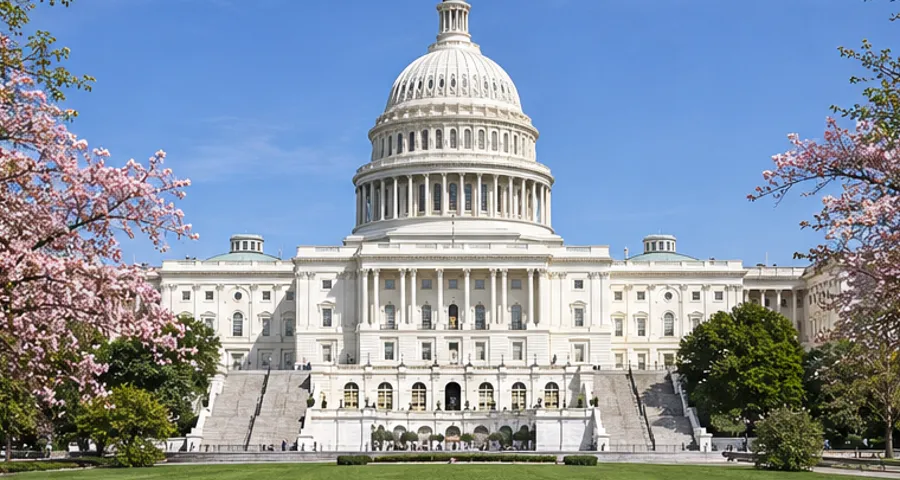
Executive notes · page 1
1. The office and succession
Imagine Congress has passed a law creating a national program. Someone must organize the program, assign staff, and apply its rules. Article II creates the executive branch, led by the president. Its core job is to execute, or carry out and enforce, federal laws. The president serves a four-year term.
The constitutional qualifications are at least 35 years of age, natural-born citizenship, and at least fourteen years of U.S. residency. Natural-born citizenship generally concerns citizenship at birth; it does not simply mean that every eligible person must have been born inside the country. A college degree, military experience, wealth, religion, and gender are not constitutional requirements.
The vice president is president of the Senate and may break a tied Senate vote. The vice president becomes president when a president dies, resigns, or is removed. During temporary presidential inability, the vice president may act as president under the 25th Amendment. Becoming president permanently and acting temporarily are different situations.
After the president, the succession sequence begins with the vice president, Speaker of the House, Senate president pro tempore, and Secretary of State. Further Cabinet officers follow under the succession law. Eligibility and statutory conditions matter; simply holding a listed office does not eliminate those conditions.
Presidential support includes security, staff, official transportation, and a residence. These support the office; they are not governing powers. Air Force One is the call sign for an Air Force aircraft carrying the president, and Marine One is the corresponding Marine Corps call sign. A plane or motorcade helps the president travel but does not grant authority to make laws.
Keep this distinction: Article II → execute laws. Qualifications are legal requirements; experience and perks are different categories.
Executive notes · page 2
2. The president’s team and amendments
The executive branch is much larger than the president. Departments, agencies, civilian employees, and the military carry out national responsibilities. The Cabinet consists of department heads and other senior advisers. They bring expertise and manage major responsibilities. The Executive Office of the President, or EOP, provides advice, coordination, and policy support.
The chief of staff coordinates White House staff, access to the president, and priorities. The press secretary communicates for the president and works with news media. The National Security Council coordinates advice on national security and foreign affairs. The Council of Economic Advisers supplies economic research and analysis. The Office of Management and Budget, or OMB, helps prepare the president’s budget proposals and reviews agency management.
George Washington established precedents: examples later presidents could follow. These included using a Cabinet, pursuing neutrality in foreign conflicts, and leaving office after two terms. His two-term practice began as a precedent; the 22nd Amendment later imposed an election limit.
Amendments changed how the office works. The 12th requires separate Electoral College ballots for president and vice president. The 20th sets the start and end of presidential and vice-presidential terms at noon on January 20. The 22nd normally permits two election wins. If someone serves more than two years of another president’s term, that person may be elected only once afterward. The 23rd gives Washington, D.C., electoral votes, currently three. The 25th addresses succession, presidential inability, and a vacancy in the vice presidency.
Under the 25th Amendment, a vice-presidential vacancy is filled by a presidential nomination confirmed by a majority of both chambers. That differs from the usual Senate-only confirmation process for many other major appointments.
Keep this distinction: Advisers supply information and coordination. Departments and agencies carry out programs. Congress and courts still provide checks.
Executive notes · page 3
3. Powers, appointments, and clemency
Use PAN to remember three actions: the president proposes, appoints, and negotiates. The president proposes laws and a budget, appoints officials, and negotiates with other nations. Each action has limits. Proposing legislation does not enact it. Many major appointments require Senate consent, and a treaty needs Senate consent before ratification.
The president nominates many major officials, ambassadors, and Article III federal judges. The Senate considers whether to confirm them. Not every job in the executive branch requires Senate confirmation. Ambassadors represent the United States abroad; Cabinet secretaries lead executive departments; federal judges serve in the judicial branch even though the president nominates them.
Clemency is mercy concerning an offense or punishment. A pardon provides forgiveness for a federal offense; it does not automatically erase the record or establish innocence. Amnesty is clemency for a group or category of people. A reprieve temporarily delays carrying out a punishment. A commutation reduces a punishment while leaving the conviction in place.
The president’s clemency power covers offenses against the United States, generally federal offenses rather than state convictions. The Constitution excepts impeachment. A pardon cannot cancel impeachment or reverse removal from office. A president’s ability to pardon themself is legally disputed; do not treat it as a settled power. Constitutional authority and whether a particular use is ethical are separate questions.
| Term | What changes? |
|---|---|
| Pardon | Forgiveness for a federal offense |
| Amnesty | Relief for a group or category |
| Reprieve | Timing of punishment |
| Commutation | Severity or length of punishment |
Keep this distinction: Ask what changed: forgiveness, the group covered, the timing, or the amount of punishment.
Executive notes · page 4
4. Presidential roles in action
A president performs several roles. These labels help describe actions; they are not nine separate people or nine unlimited powers. One action can fit more than one role. Use evidence from the action or photograph to explain your choice.
As chief executive, the president carries out federal laws. As chief administrator, the president manages the executive branch and appoints key leaders. As commander in chief, the president directs the armed forces, while Congress has the power to declare war. As chief diplomat, the president manages foreign relations and negotiates with other nations.
As chief legislator, the president recommends laws, sets priorities, and persuades Congress. This title does not let the president enact a congressional law alone. As economic leader, the president proposes a budget and economic policies while sharing authority with Congress and other institutions.
As chief of state, the president represents the nation at ceremonies and official events. As chief of the party, the president supports the party’s platform and candidates. As a voice of the people, the president communicates with the public and responds to concerns. Representing the public does not mean every citizen agrees with the president. In the photo examples below, identify the action before naming a role. A Cabinet meeting, a State of the Union address, and a press conference show different work by different presidents.
- President and executive branchNegotiate and administer within their authority.
- Senate and CongressThe Senate considers treaty consent; Congress can legislate and fund implementation.
- People and organizationsOffer testimony, evidence, and public comment.
Nine roles, nine real moments
Look at the action in each photograph. These examples span different administrations. The same event can show more than one role, but the evidence in your explanation should identify the role you mean.
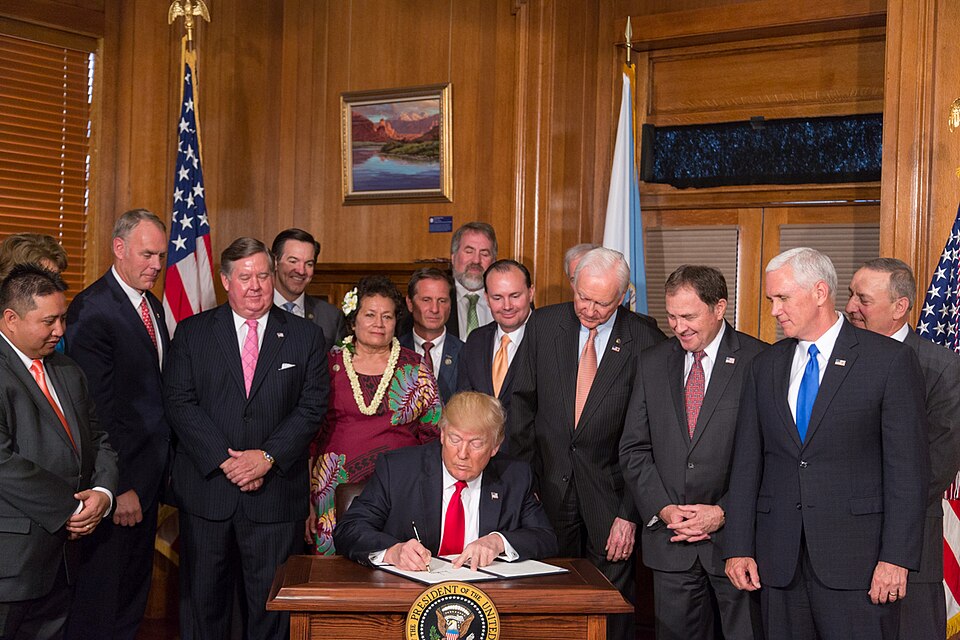
Chief executive
Carries out federal laws through executive departments and agencies. An executive order can direct executive work within constitutional or statutory authority; it cannot replace a law passed by Congress.
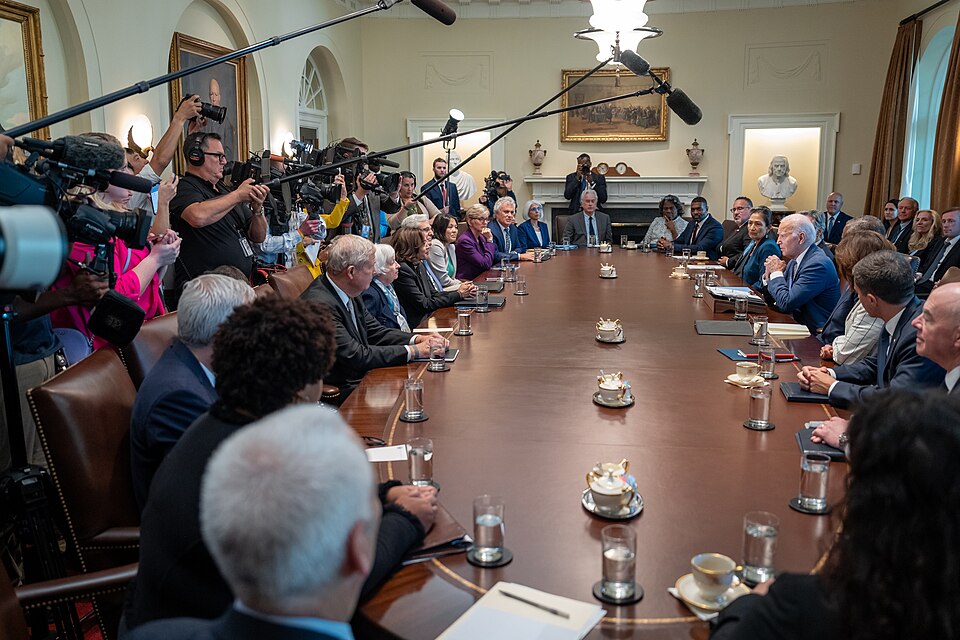
Chief administrator
Coordinates the people and offices that run the government. Cabinet members advise the president and lead departments; many major appointments require Senate confirmation.
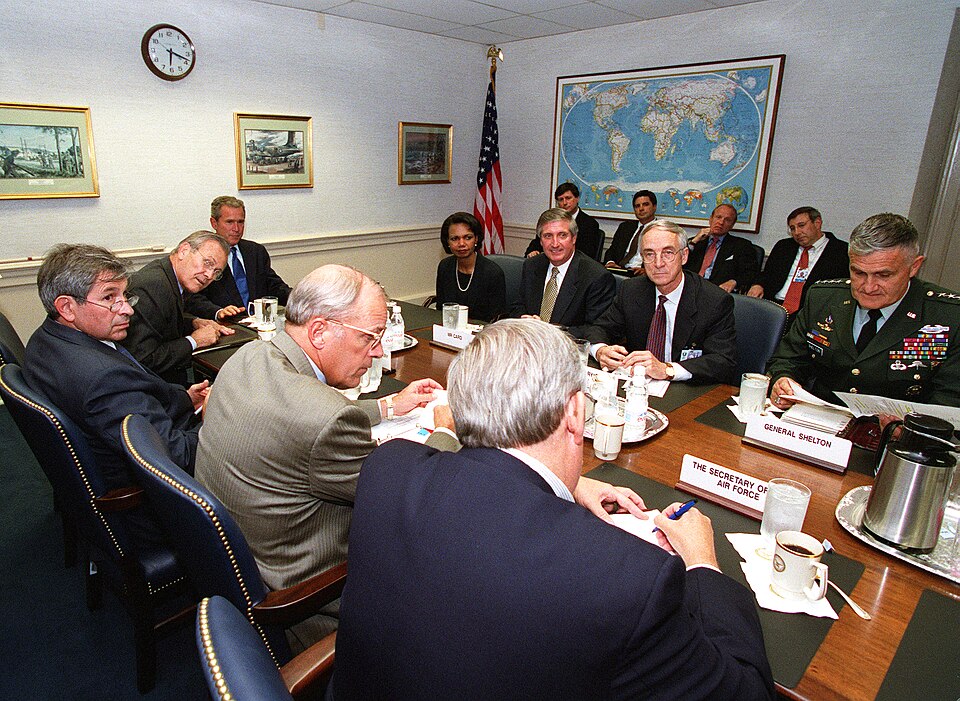
Commander in chief
Directs the armed forces. Congress retains its powers to declare war, authorize force, make rules for the military, and provide funding.
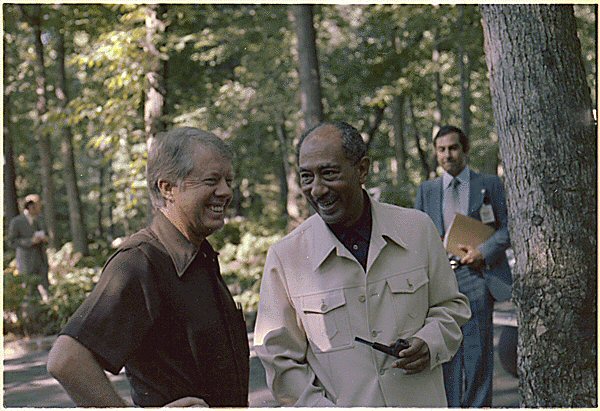
Chief diplomat
Represents the United States in negotiations and relationships with other governments. Treaties require the Senate's advice and consent before ratification.
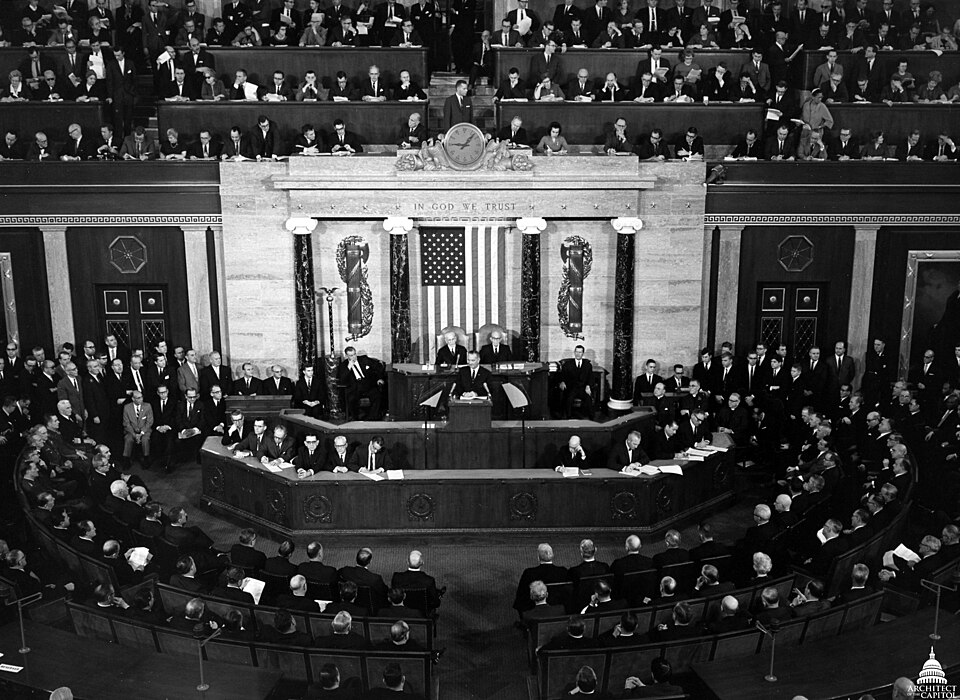
Chief legislator
Recommends laws, sets an agenda, and persuades lawmakers. The president may sign or veto bills, but Congress must pass a bill before it can become law.
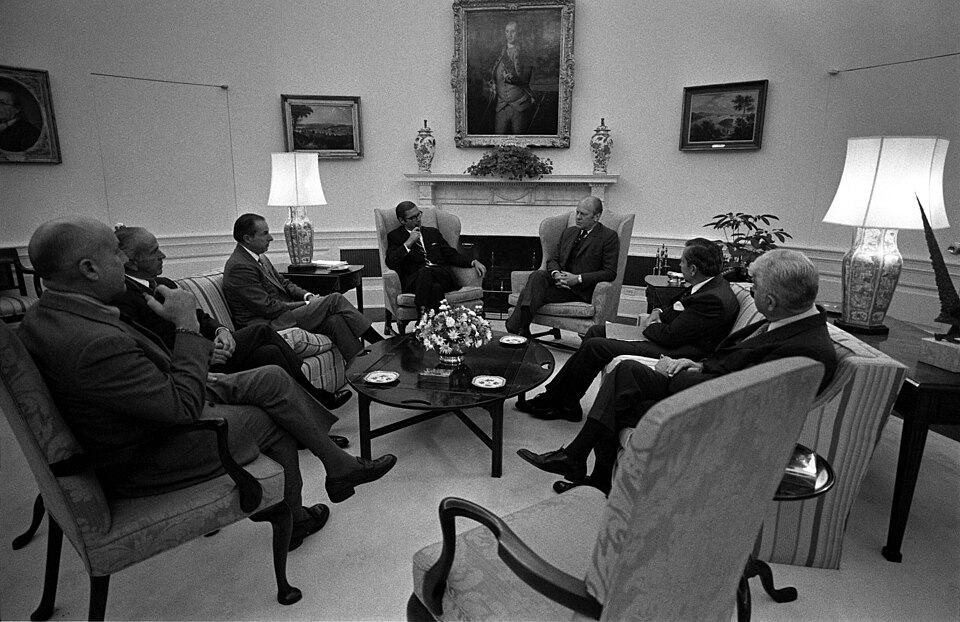
Chief economic leader
Proposes a federal budget and economic priorities and consults advisers. Congress controls appropriations; the Federal Reserve makes monetary policy decisions through its own statutory structure.
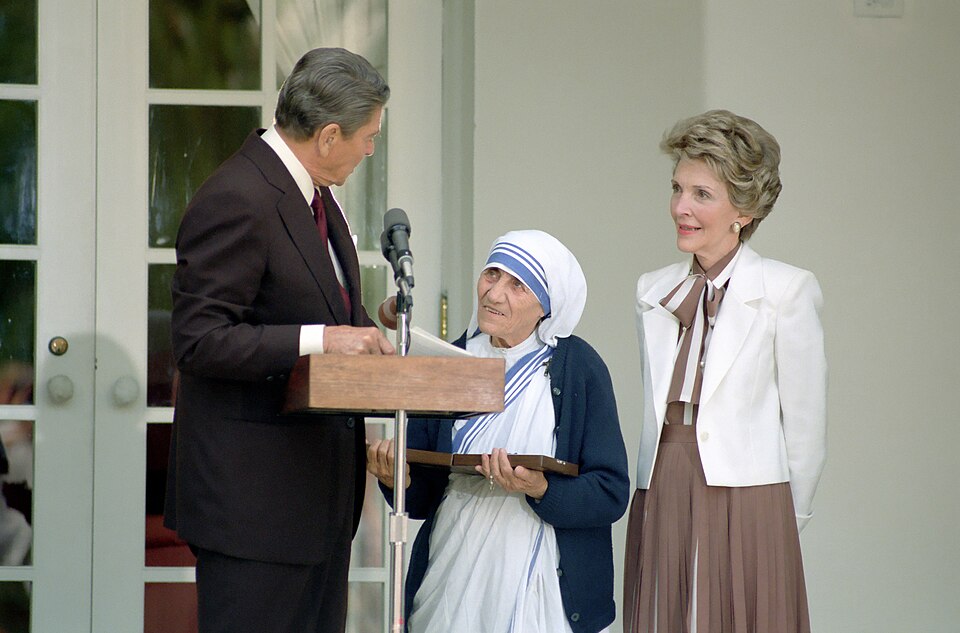
Chief of state
Represents the nation at official ceremonies, honors, and commemorations. The role is about national representation, not directing a department.
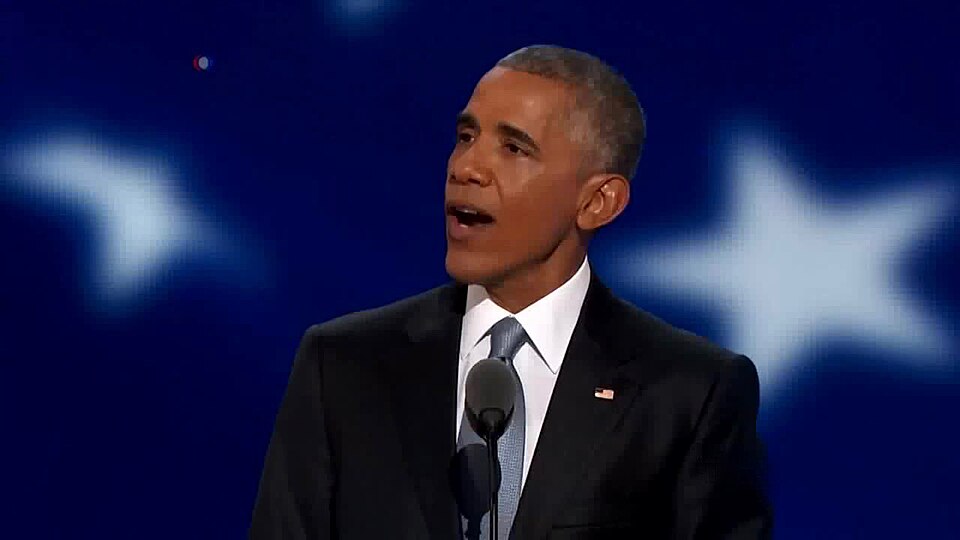
Chief of the party
Supports the president's political party, its candidates, and its platform. This is a political role, not a separate constitutional power.
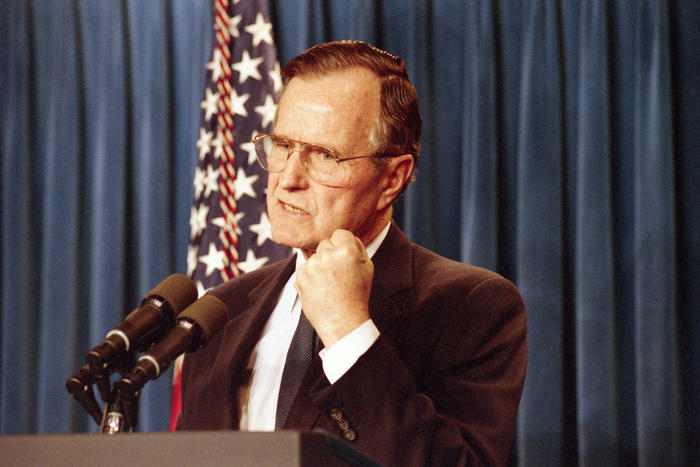
Voice of the people
Listens to and communicates with the public. A president speaks to the country but does not automatically express the views of every person.
Try the boundary: A president meets a foreign leader at an official welcome ceremony and later negotiates an agreement. Which moment best shows chief of state? Which shows chief diplomat? What clue makes the difference?
Keep this distinction: Use the frame: “The action fits ___ because the president is ___.” A label needs evidence.
Executive notes · page 5
5. Checks, executive orders, and war powers
The president checks Congress through the veto. Congress can override a regular veto with two-thirds in each chamber, with a quorum present. In treaty-making, the president negotiates and the Senate considers consent. Treaty consent requires two-thirds of senators present. Both examples show shared authority rather than one branch acting alone.
An executive order is a presidential directive managing executive operations. It must rest on constitutional authority or authority granted by statute. It is different from a law enacted by Congress. Courts can reject unlawful executive action. Congress can change applicable law or restrict funding within its own constitutional powers. An order cannot make the president’s authority unlimited.
In 1948, President Truman issued Executive Order 9981, establishing equality of treatment and opportunity in the armed forces and advancing military desegregation. Be precise about other examples: Congress created the Department of Homeland Security by law in 2002. A 2001 executive order had created an earlier White House office. These were different institutions and actions.
War powers are shared. The president directs military operations as commander in chief. Congress declares war, authorizes force, and controls military funding. The War Powers Resolution requires reporting within forty-eight hours for covered introductions of armed forces. Its termination rule generally requires ending covered hostilities within sixty days after the relevant report is submitted or required, unless Congress authorizes or extends the action or a statutory exception applies.
An additional withdrawal period of up to thirty days has conditions involving certified, unavoidable military necessity for troop safety during prompt removal. The law is not an automatic permission slip to wage war for ninety days. The reporting and termination rules have specific triggers and exceptions.
- LegislativeWrites and passes a law.
- ExecutiveAdministers the law within its authority.
- JudicialDecides a legal dispute about the law or its application.
Keep this distinction: Commander in chief directs the military. Congress’s war and funding powers remain part of the system.
Executive notes · page 6
6. Accountability and tariffs
Executive privilege protects some confidential executive communications. It is qualified rather than absolute. In United States v. Nixon in 1974, a generalized claim of confidentiality did not outweigh the demonstrated need for evidence in a criminal trial. The Supreme Court required production of the requested recordings for judicial review and use under the Court’s ruling. Being president did not create an unlimited power to withhold evidence.
Impeachment and removal are separate steps. The House brings formal charges by majority vote. The Senate conducts the trial; conviction requires two-thirds of senators present and results in removal. Nixon resigned before the full House voted on impeachment. The House Judiciary Committee had approved articles, but a committee vote was not a full House impeachment vote.
A tariff is a tax on imports. The importer of record owes the duty to U.S. Customs and Border Protection, or CBP. A foreign government does not automatically pay the tariff. Businesses, consumers, and foreign suppliers may share the economic burden through changes in costs, prices, and profits.
A ten-percent tariff on a ten-dollar import produces one dollar in import duty. That arithmetic does not prove that the final retail price must rise by exactly one dollar. A seller might absorb some costs, change suppliers, or change prices in other ways.
Possible tariff goals include raising revenue, protecting domestic producers, or supporting negotiations. Possible tradeoffs include higher costs, retaliation, and supply-chain disruption. Congress has constitutional authority over duties and foreign commerce; presidential tariff action depends on applicable authority and legal limits. When using the dated tariff graphics in your class slides, record the date and distinguish observed data, estimates, and forecasts. A forecast is not a verified outcome or a current tariff schedule.
Keep this distinction: For accountability, identify the branch and the check. For tariffs, separate who legally pays the duty from who bears the economic cost.
Sources and class connections
This student reading follows the Congress graphic organizer, Bill-to-Law notes, and Executive Branch notes. Use the official references below to check the exact rules.