
Three branches and checks on power
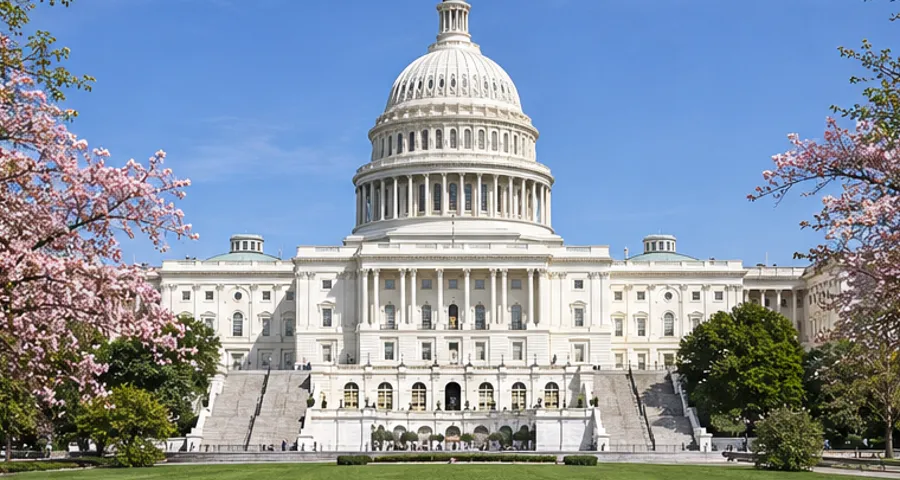
Background
Think of a school safety proposal as it moves from an idea to a rule people must follow. The officials who write a law do not necessarily administer it or resolve a legal dispute about it. The Constitution gives different responsibilities to distinct institutions and also creates points of interaction, such as presidential veto, Senate confirmation, and judicial review.
The legislative branch makes federal laws through Congress. The executive branch carries them out through the president and the broader executive branch. The judicial branch resolves cases and applies the law. This division of work is separation of powers.
Under checks and balances, one branch can limit another. The president can veto a bill Congress passes, the Senate can withhold consent to certain appointments, and courts can decide whether a government action violates the Constitution in a case. Federalism is a different division. It separates powers between levels of government, such as federal and state authority. The rule of law requires officials to follow applicable law.
- LegislativeWrites and passes a law.
- ExecutiveAdministers the law within its authority.
- JudicialDecides a legal dispute about the law or its application.
If Congress sets a safety standard, an agency issues rules within its delegated authority, and a court resolves a challenge, the same policy illustrates three distinct functions. Identify the verb in the scenario. Making the rule, implementing it, and interpreting its legal authority lead to different branches.
Try it
A federal agency enforces a law. The Senate rejects a nominee to lead that agency. Which action shows an assigned job and which shows a check?
Show sample response
Enforcement shows an assigned executive job. Senate rejection of the nominee checks the president’s appointment power.
Congress: House, Senate and shared powers
Background
A representative speaks for a district, while senators represent the residents of an entire state. Those different constituencies help explain why the same policy can attract different majorities in the two chambers. They also have distinct constitutional tools. In a question, the verb often gives the best clue: originate, impeach, try, confirm, or pass.
Congress is bicameral, meaning it has two chambers. House seats are divided among states by population, and representatives serve two-year terms. Each state has two senators who serve six-year terms. A constituent is a person represented by an elected official. A House member must be at least 25 and a citizen for at least seven years. A senator must be at least 30 and a citizen for at least nine years. Members of both chambers must inhabit the state they represent when elected.
Both chambers normally must approve identical text for a bill to be presented to the president. Bills for raising revenue start in the House, though the Senate may amend them. The House has the sole power to impeach, or bring formal charges against a federal official through the impeachment process. The Senate tries impeachments. Two-thirds of senators present must vote to convict. The Senate also decides whether to give advice and consent to certain appointments and treaties.
A committee is a smaller group of lawmakers that examines issues and proposals. Congress uses oversight to examine how programs are carried out and how funds are used. A hearing can help lawmakers consider changes to a bill or check how an existing law is working. Those are different purposes even when both involve a committee asking questions.
- HouseOriginates revenue bills and votes on impeachment.
- SenateActs on covered nominations and tries impeachments.
- BothApprove the same legislative text before presentment.
Consider two proposals: begin a bill to raise revenue and approve a nomination to the Cabinet. The Constitution assigns those actions differently. Revenue bills originate in the House, although the Senate can propose amendments. The Senate provides advice and consent on covered nominations. In each case, read the exact action before assigning the chamber.
Explore the official source: U.S. Senate: filibusters and cloture
Try it
The House impeaches an executive official. What further step is necessary for removal through impeachment?
Show sample response
The Senate conducts a trial. Conviction by two-thirds of senators present removes the official.
From proposed bill to identical text
Background
Most ideas do not become laws just because someone introduces them. A committee can revise or stall a proposal, and each chamber acts under its own procedures. Even if both chambers support the same broad goal, they must resolve differences in wording. Tracking which text is being considered helps explain why support for an idea and passage of a bill are different steps.
A bill is a proposed law. A sponsor introduces it. A committee may hold a hearing to gather testimony. During markup, members consider changes to the text. The committee can report the bill for further action or leave it without a path to a vote. Many bills never reach the floor.
During floor debate, the chamber considers the measure under its rules. In the Senate a filibuster can delay or prevent a vote through extended debate or related procedural tactics. Cloture is a way to limit debate. For most legislation, cloture generally requires three-fifths of senators duly chosen and sworn. House rules usually impose stricter time limits on debate.
When the chambers pass different versions, they can exchange amendments or use a conference committee to work out differences. Both must still approve the final wording. The enrolled bill is the final text approved by both chambers and prepared for presentation to the president.
- CommitteeReview, revise, or decline to advance the proposal.
- First chamberDebate and vote on a version.
- Second chamberAct on the bill, possibly changing its wording.
- AgreementBoth chambers approve identical text.
Committee approval usually advances a proposal within one chamber. It does not establish the approval of the full chamber. Likewise, two chambers can approve bills on the same topic without agreeing to the same wording. To predict the next step, identify which version was approved and which decision-making body must still act.
Explore the official source: U.S. House: legislative process
Try it
A committee hears testimony and then edits the bill. The House and Senate later pass different versions. Name the editing stage and the next requirement.
Show sample response
The editing stage is markup. Before presentation to the president, the chambers must approve identical text.
Signature, veto, override and inaction
Background
The president receives a bill only after the two chambers pass identical text. The next outcome depends on the president’s action and, if there is no action, on timing and the possibility of returning the bill. Always determine those conditions before deciding which outcome applies.
After the president receives a bill, a signature makes it law. The law may include a later effective date. A regular veto returns the bill with objections to the chamber where it started. A veto override requires a two-thirds vote in each chamber. A vote in just one chamber cannot override a veto.
When the president neither signs nor returns the bill within ten days, excluding Sundays, ask whether Congress’s adjournment prevents its return. If return is possible, the bill becomes law without a signature. If Congress adjourns in a way that prevents its return and the president does not sign it, the bill does not become law. The second outcome is a pocket veto.
- SignatureThe bill becomes law.
- Returned vetoCongress can override with two-thirds in each chamber.
- Inaction and return possibleThe bill becomes law after ten days, excluding Sundays.
- Inaction and return preventedAn adjournment preventing return can produce a pocket veto.
For questions about presidential inaction, read the time and return conditions together. When ten days excluding Sundays expire, the outcome depends on whether an adjournment prevents the president from returning the bill. A regular veto is a different action: the president returns the bill with objections, and Congress can attempt an override.
Try it
Ten days excluding Sundays pass without a signature or return, and Congress can still receive the bill. What happens?
Show sample response
The bill becomes law without the president’s signature. Congress’s ability to receive it rules out the pocket-veto outcome.
Presidential powers and the executive branch
Background
Modern presidents work through agencies, department leaders, advisers, and diplomats. Their actions may rest on the Constitution, on authority Congress provides in a statute, or on both. To evaluate a claim about presidential power, identify the particular action first. Directing an agency, appointing an official, and negotiating a treaty raise different questions about whose agreement or authority is needed.
Leaders of executive departments serve in the Cabinet, where they advise the president. An executive agency administers laws within its assigned authority. The president may issue an executive order to direct executive action when a statute or the Constitution provides a legal basis. For example, if Congress gives an agency discretion over its procedures, an order can direct how it exercises that discretion within the statute’s limits.
As commander in chief, the president directs the armed forces. Congress has its own war and funding powers. For a treaty, the Senate provides advice and consent when two-thirds of senators present concur. The president nominates people to certain federal offices, and confirmation is the Senate’s approval where required. Congress can scrutinize the executive through oversight, spending decisions, and the impeachment process.
The president also fills several roles that describe different kinds of action. As chief administrator, the president manages the executive team; as chief executive, the president directs the execution of law. As chief diplomat, the president works with other governments. As chief legislator, the president recommends laws and persuades Congress, while Congress makes legislation. As chief economic leader, the president proposes a budget and economic priorities, while Congress controls appropriations. As chief of state, the president represents the nation at ceremonies. As chief of the party, the president supports a party’s candidates and platform. As a voice of the people, the president communicates with and listens to the public. These last labels describe public and political work, not unlimited constitutional powers.
In United States v. Nixon (1974), the Supreme Court recognized a qualified executive privilege but required the president to provide recordings needed in a criminal proceeding. The case illustrates a court’s check on a claim of presidential power.
Foreign policy is how a government deals with other countries. Suppose the president negotiates a treaty to make shipping safer across shared waters. The Senate considers whether to give its consent. Congress can vote on funding and laws to carry out the agreement. Executive agencies administer the program. A federal court could interpret a disputed provision if a case within its authority reaches the court.
A shipping association might testify about costs. A union might ask for worker safety standards. An individual could contact senators with evidence from a local port. These people and organizations can influence the decision. The constitutional power to give consent still belongs to the Senate.
- President and executive branchNegotiate and administer within their authority.
- Senate and CongressThe Senate considers treaty consent; Congress can legislate and fund implementation.
- People and organizationsOffer testimony, evidence, and public comment.
Nine roles, nine real moments
Look at the action in each photograph. These examples span different administrations. The same event can show more than one role, but the evidence in your explanation should identify the role you mean.
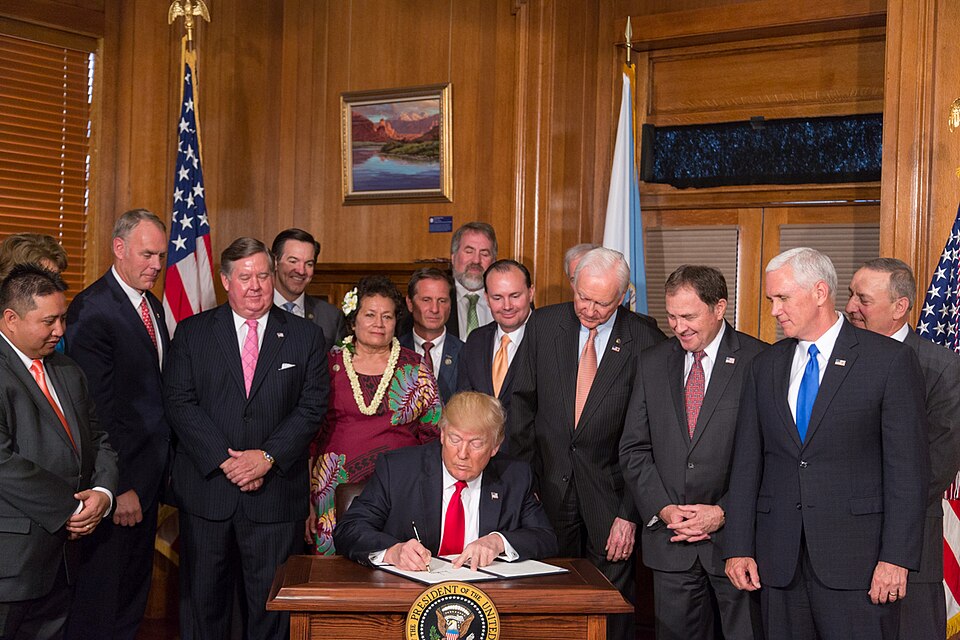
Chief executive
Carries out federal laws through executive departments and agencies. An executive order can direct executive work within constitutional or statutory authority; it cannot replace a law passed by Congress.
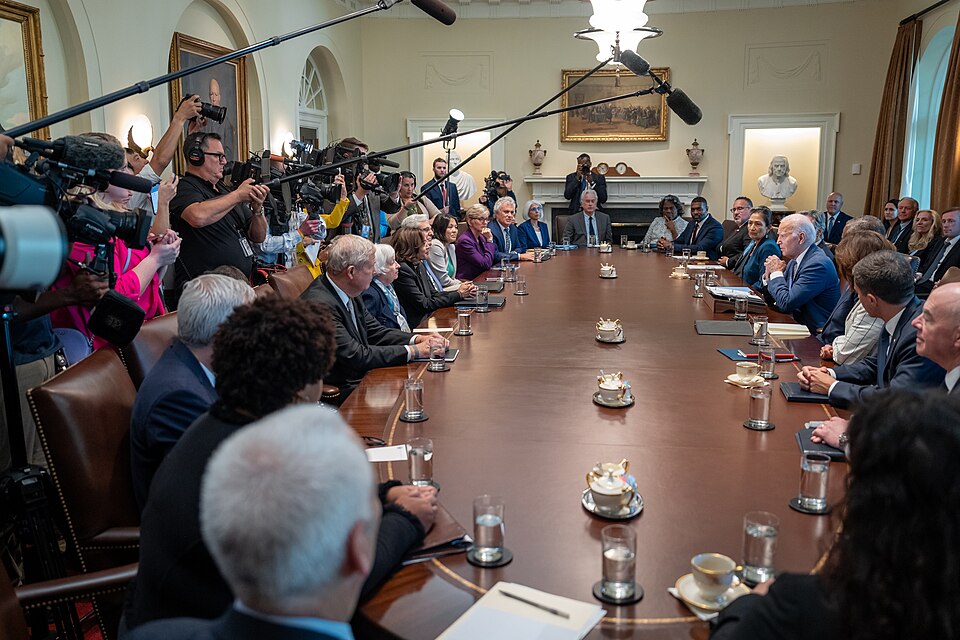
Chief administrator
Coordinates the people and offices that run the government. Cabinet members advise the president and lead departments; many major appointments require Senate confirmation.
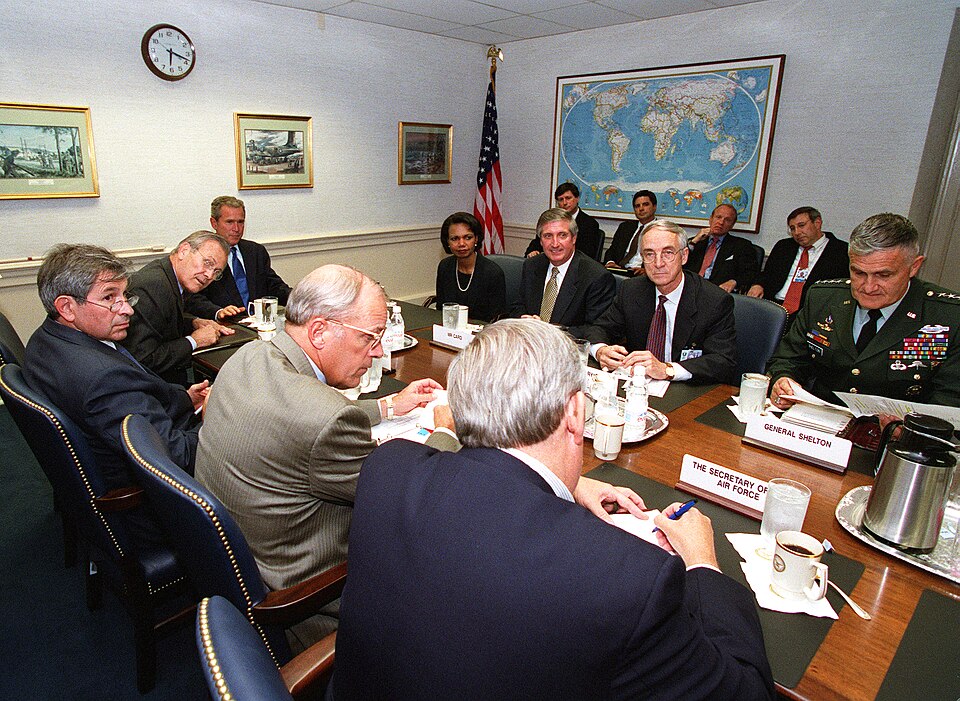
Commander in chief
Directs the armed forces. Congress retains its powers to declare war, authorize force, make rules for the military, and provide funding.
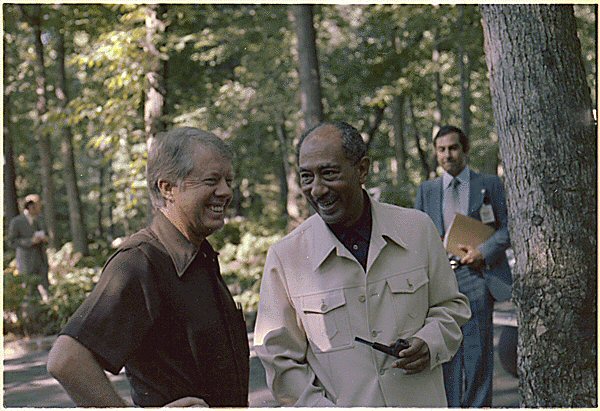
Chief diplomat
Represents the United States in negotiations and relationships with other governments. Treaties require the Senate's advice and consent before ratification.
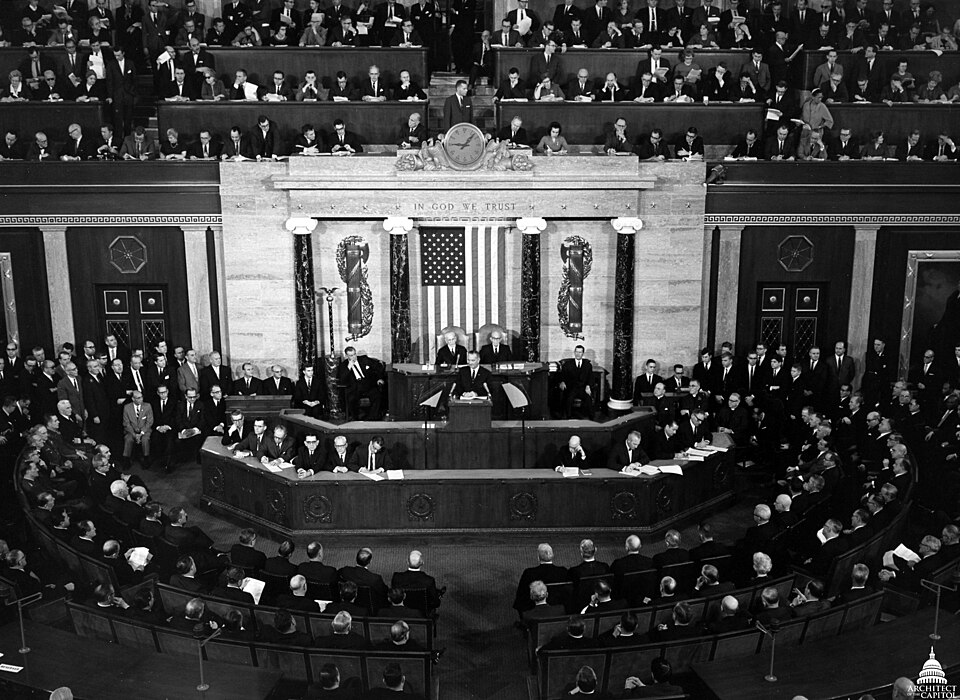
Chief legislator
Recommends laws, sets an agenda, and persuades lawmakers. The president may sign or veto bills, but Congress must pass a bill before it can become law.
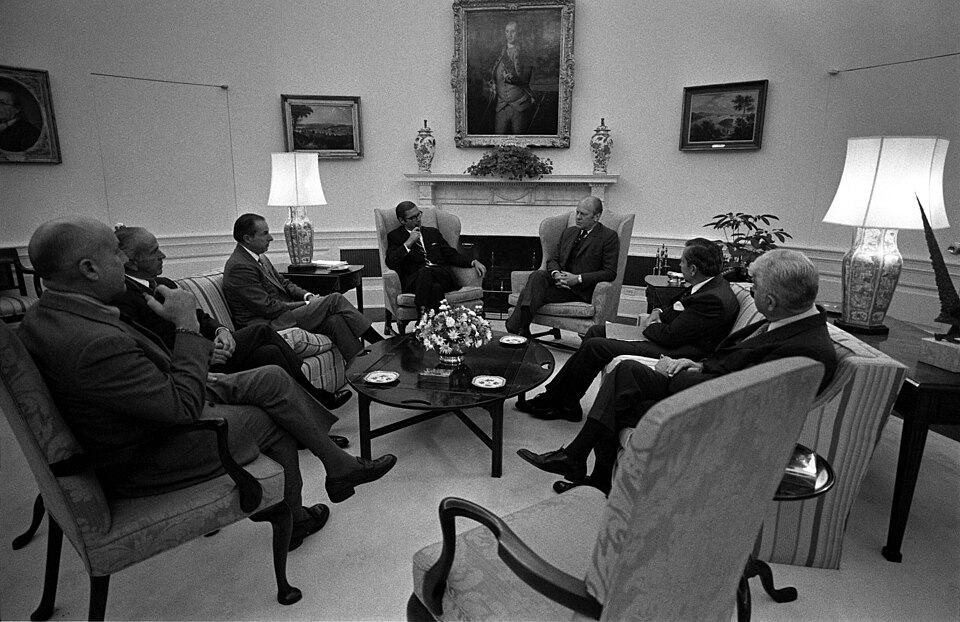
Chief economic leader
Proposes a federal budget and economic priorities and consults advisers. Congress controls appropriations; the Federal Reserve makes monetary policy decisions through its own statutory structure.
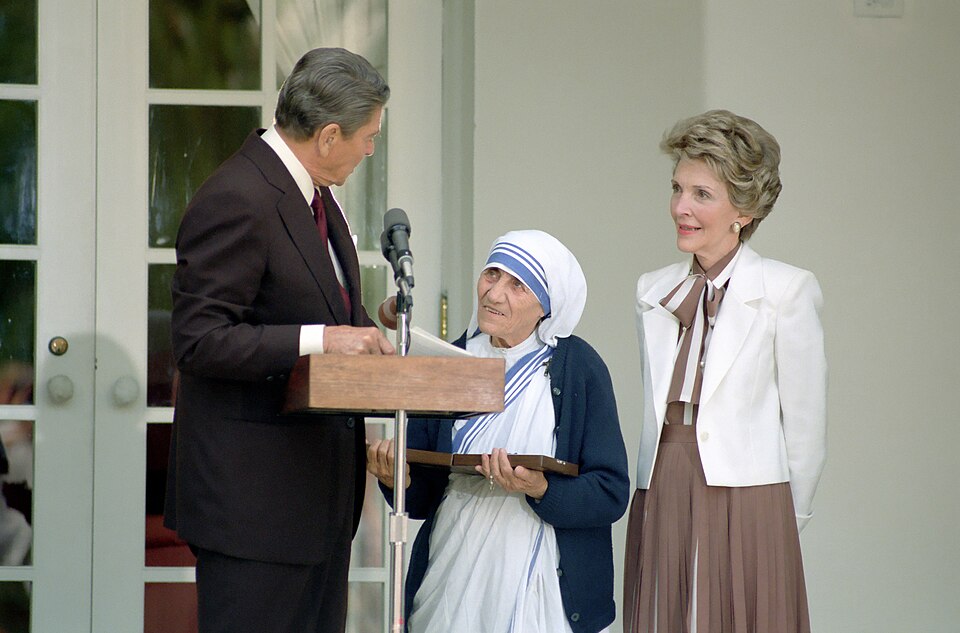
Chief of state
Represents the nation at official ceremonies, honors, and commemorations. The role is about national representation, not directing a department.
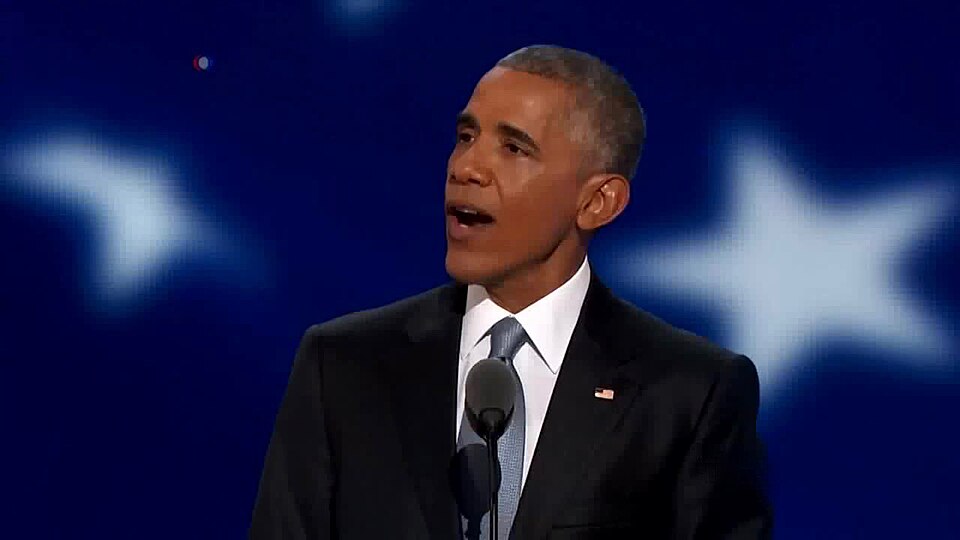
Chief of the party
Supports the president's political party, its candidates, and its platform. This is a political role, not a separate constitutional power.
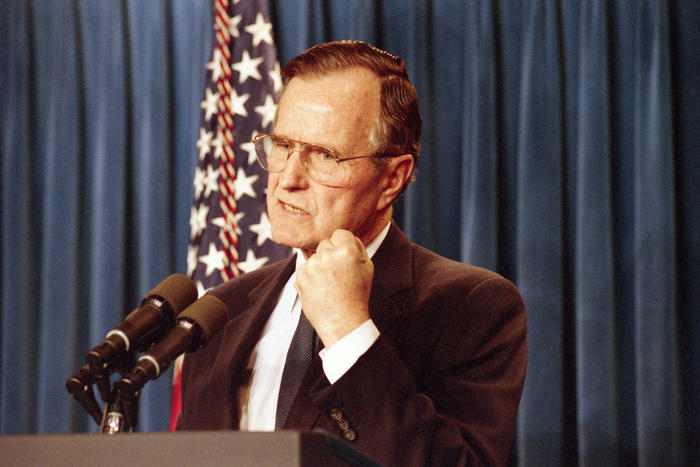
Voice of the people
Listens to and communicates with the public. A president speaks to the country but does not automatically express the views of every person.
Try the boundary: A president meets a foreign leader at an official welcome ceremony and later negotiates an agreement. Which moment best shows chief of state? Which shows chief diplomat? What clue makes the difference?
In the shipping scenario, the Senate decides whether to give its consent to the treaty while the executive negotiates and, where appropriate, carries it out. Organizations and individuals may influence either stage through evidence, testimony, or public advocacy. The power to make a decision and the opportunity to influence it are different forms of participation.
Try it
The president directs an agency to implement a program under an existing statute. What must you check before deciding the order is valid?
Show sample response
Check whether the Constitution or a statute gives the executive authority to issue the direction and whether it conflicts with applicable law.