
Imperialism & U.S. overseas expansion
Background
By the end of the nineteenth century, greater shipping and industrial production encouraged some U.S. officials to seek overseas markets and bases. Other Americans challenged expansion on political or moral grounds, and people in the territories sought to define their own futures. Notice whose point of view is represented whenever a source calls expansion an opportunity.
By the 1890s, U.S. leaders debated the economic and strategic value of access to foreign markets and ports. Supporters of imperialism framed expansion as a way to gain influence and protect trade. Opponents raised questions about governing people overseas without their consent. Neither side represented every view held by people in the territories at issue.
In 1898, war with Spain brought a new U.S. role in Cuba and control of Puerto Rico, Guam, and the Philippines under the peace settlement. The United States annexed Hawaii that year through a separate process. Philippine independence forces resisted American rule. To compare cases, identify the policy used, the people affected, and the degree of political control the United States sought.
The forms of control varied. Puerto Rico and the Philippines came under U.S. authority following the treaty ending the war with Spain. Cuba’s formal independence followed a period of U.S. occupation and included limits imposed under the Platt Amendment. A map showing influence across several places cannot by itself establish their legal status.
Places brought under U.S. power in 1898 did not all have the same legal relationship to the United States. The treaty with Spain addressed a transfer claimed by two governments, while people in the Philippines had already pursued their own independence. Hawaii was annexed through a different process. Cuba's formal independence followed U.S. occupation and continuing limits on its autonomy. A colored map of U.S. influence can conceal those distinctions, so pair it with the relevant treaty, law, or statement from people living there.
- MotiveTrade access, naval strategy, or political influence.
- MethodAnnexation, treaty, military occupation, or diplomatic policy.
- ResponseSupport, opposition, or resistance varies across communities.
A naval planner’s map shows why ports mattered strategically. A statement by Filipino independence advocates shows how U.S. control appeared to people seeking self-government.
Try it
State one economic motive and one strategic motive for U.S. expansion. Support each with a specific example.
Show sample response
A shorter route through Panama could reduce shipping costs for trade. It also allowed U.S. naval vessels to move between oceans more quickly. One project could serve both goals.
World War I: neutrality, mobilization & peace
Background
A neutral country can still trade, lend money, and face risks when shipping passes through a war zone. As those pressures increased, Americans debated whether to remain outside the war. Entry brought separate questions about producing supplies, organizing troops, and regulating dissent. The postwar treaty debate then asked what the country should commit to in the future.
The United States initially declared neutrality, even as trade and lending connected the economy to countries at war. German submarine attacks threatened shipping, and the Zimmermann Telegram contributed to the turn toward war. Congress declared war on Germany in April 1917.
Mobilization redirected factories, transportation, and labor toward military needs. Government propaganda sought public support, while the Espionage and Sedition Acts restricted some speech and conduct. After the war, Woodrow Wilson supported the League of Nations. The Senate did not consent to ratification of the Treaty of Versailles. Separate the reasons for entering the war from domestic actions during it and the debate over what came next.
Mobilization also shaped work and migration. Demand for labor grew in some northern industries, and wartime disruption reduced immigration from Europe. Those conditions created opportunities that interacted with violence, discrimination, and family decisions in the South. Multiple causes help explain why migration increased without assuming all families moved for the same reason.
U.S. policy shifted before and after the declaration of war. Trade and lending created connections to combatants while the government remained formally neutral. Once at war, officials had to raise troops and organize production, and they also promoted support through public messages and restricted some dissent. The later treaty debate asked what commitment the country would make to international cooperation after fighting stopped. A poster, a speech about entry, and a Senate vote each belong to a different stage of that story.
- EntryTrade, submarine warfare, and diplomacy shape decisions.
- MobilizationGovernment directs resources and promotes support.
- Peace debateThe treaty and League raise questions about future commitments.
One poster can show what the government wanted civilians to believe. Enlistment records, newspapers, or letters help evaluate how different people actually responded.
Try it
Why is it useful to distinguish a cause of U.S. entry from an action the country took after entering?
Show sample response
German submarine attacks helped influence the decision to enter. Coordinating the factories that produced war supplies was a response to being at war. Putting events in order helps explain cause and effect.
Great Migration, Harlem & changing roles
Background
When families moved to cities for work or safety, they brought experiences, traditions, and networks with them. City neighborhoods concentrated audiences and institutions that could publish, record, or perform new work. Migration changed where people lived. Cultural production, commercial distribution, and public response help explain why the effects extended beyond the people who moved.
The Great Migration moved many Black Americans from the rural South to cities in the North, Midwest, and West. People sought employment, family networks, and opportunities, while escaping some forms of racial violence and Jim Crow exclusion. New destinations offered possibilities and also imposed barriers through discrimination and segregated housing.
The Harlem Renaissance brought national attention to Black literature, art, scholarship, and music rooted in both local neighborhoods and wider networks. The 1920s also brought new public roles for many women and more commercial media. To test a claim about cultural change, specify which group, place, and opportunity the evidence actually describes.
Black newspapers and personal networks helped circulate information about employment and life in other places. Artistic work also moved through publishers, clubs, and performance spaces. Compare the routes through which people moved with the routes through which their ideas traveled. These connections extend the story beyond one city or one well-known author.
A move could change a family's employment options without ending discrimination in housing or work. Black newspapers and personal networks shared information about destinations, while artists and writers reached audiences beyond one neighborhood. The Harlem Renaissance grew from these wider movements and institutions, not from every migrant settling in Harlem. Census data can trace population change; a poem or performance documents an artist's expression; a letter may reveal how one household experienced both opportunity and exclusion.
- MigrationPeople move in response to pressures and opportunities.
- Urban networksNeighborhoods connect artists, workers and audiences.
- Cultural influencePublications and performance carry ideas beyond one city.
Census figures can show where people moved. A poem or oral history can explain how an individual experienced belonging, work, or discrimination.
Try it
Use a push factor, a pull factor, and a result to explain the significance of the Great Migration.
Show sample response
Jim Crow and racial violence pushed many people to leave, while industrial jobs drew them to cities such as Chicago and New York. Migration helped reshape those cities and expand networks that supported Black cultural production.
Consumer culture, Prohibition & backlash
Background
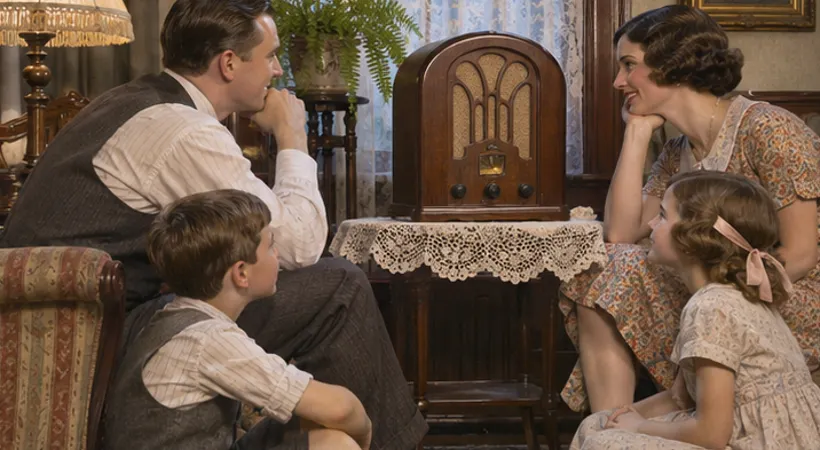
A household that could afford a radio could hear entertainment and advertising produced far away. Another household might have limited income, electricity, or access to credit. The decade also saw groups organize to restrict immigration and defend particular social norms. Differences in access and values help explain why a single account of the 1920s misses important variation.
Mass production, advertising, radio, and installment buying changed how many households purchased goods and encountered popular culture. Buying on credit spread payment over time but also added financial obligations. New products and entertainment reached large audiences, even as access varied by income and location.
The same decade included restrictive immigration quotas, revival of the Ku Klux Klan, and disagreements over public values. The Eighteenth Amendment established national Prohibition, and the Twenty-First repealed it. Cultural change and political backlash can occur at the same time. Look for evidence about a specific practice or policy rather than treating all Americans as having the same experience.
Businesses could make more sales when credit gave customers time to pay. For borrowers, the tradeoff was a continuing obligation if income fell. Advertising and radio also built common audiences, but arguments over religion, immigration, and public behavior illustrate how shared exposure to mass media could coexist with deep disagreements.
Installment payments let a household take a radio or car home before paying the full price, provided it could keep making payments. That arrangement could expand a market and increase financial risk if earnings fell. Radio advertisements also made national messages more visible, but ownership, electricity, and reception varied. Meanwhile, immigration restriction and organized racial hatred showed that wider communication did not create common political values. Compare consumer figures with household budgets and political organizing records before calling the 1920s universally prosperous.
- ConsumptionCredit and advertising help build mass markets.
- CultureRadio and other media reach wider audiences.
- BacklashSome groups press for restrictions or resist change.
A radio sales chart can support a claim about the spread of a technology. It cannot establish that people agreed about culture or policy. A survey, collection of letters, or voting record could address those attitudes.
Try it
Was the 1920s mostly an era of change or of continuity? State a position, support it with specific evidence, and explain how the evidence supports it.
Show sample response
The decade brought major changes in consumer life because installment plans and mass advertising helped households purchase cars and radios. At the same time, immigration quotas show that greater consumer choice could coexist with restrictions on who could enter the country.